
How to Find the Best Pickleball Courts Near You (2026 Guide)
Not all courts are created equal. Here is how to find, evaluate, and join local courts. Plus, the difference between "Open Play" and "Closed Groups".

The DinkAI Team
Updated ·Published
📖 In This Article
Not all courts are created equal. Here is how to find, evaluate, and join local courts. Plus, the difference between "Open Play" and "Closed Groups".
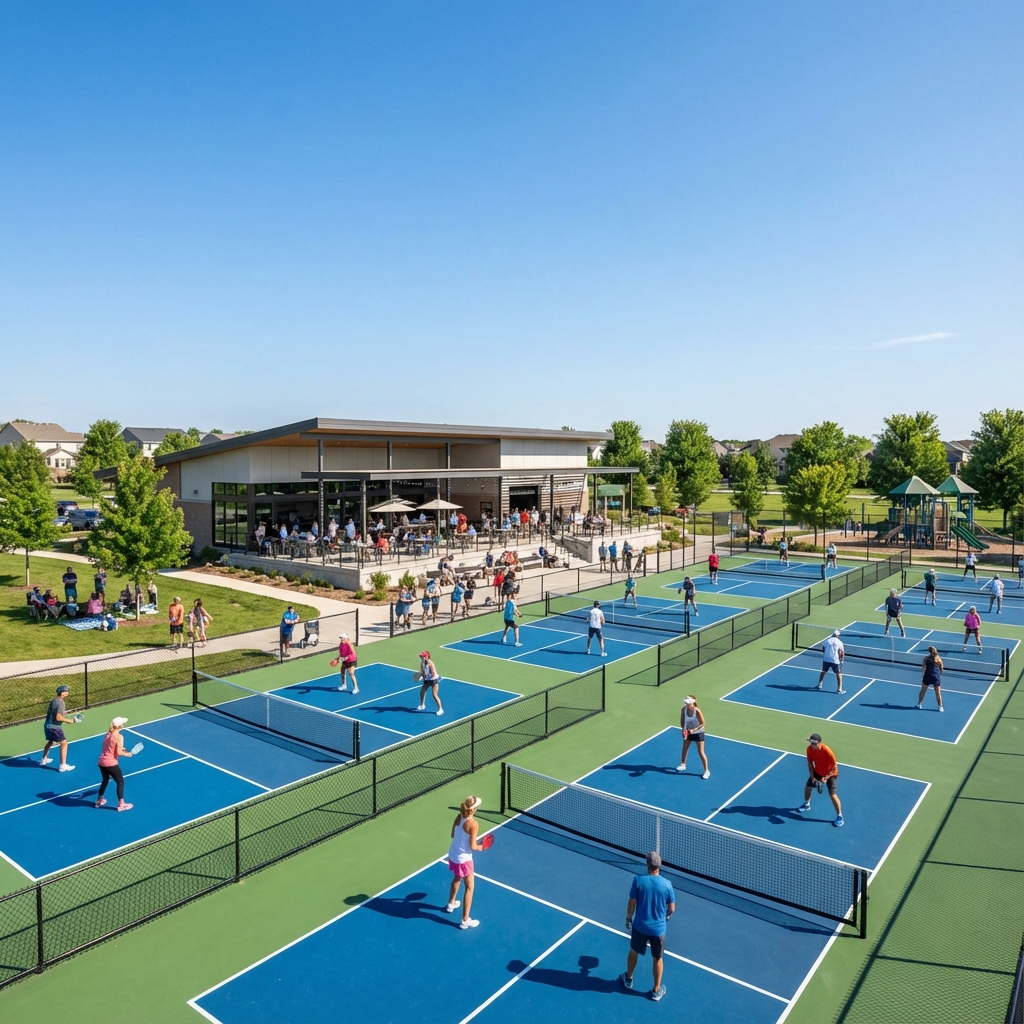
It's a Jungle Out There
In 2018, finding a court was easy because there were only three of them in your city. In 2026, there are courts everywhere—in parks, inside old department stores, and even on cruise ships.
But quantity does not equal quality. Some courts are cracked asphalt with no lights. Others are pristine dedicated facilities with on-site bars. How do you find the right one for you?
This guide covers everything from finding a spot to evaluating the surface.
1. The Search Tools (Ranked)
The "Gold Standard": DinkAI
I am biased, but we built DinkAI because Google Maps stinks for pickleball.
- What we track: Surface type, lighting quality, wind protection, and "busy times."
- The Killer Feature: "Who is there?" We track group ratings so you don't show up as a beginner to a 5.0 shark tank.
The "Old Faithful": Places 2 Play
The original database. It's comprehensive but the UI is a bit 2005. Good for finding very small, obscure courts in rural areas.
The "Social Network": Local Facebook Groups
If you are moving to a new city, search Facebook for "Pickleball [City Name]."
- Join the group.
- Post: "I'm a 3.5 player looking for drilled sessions on Tuesday nights."
- You will get instant invites.
2. Deciphering "Court Talk"
When you read a court description, you'll see terms that might confuse you.
"Dedicated Courts" vs. "Shared Lines"
- Dedicated: Permanent nets, pickleball lines only. This is heaven.
- Shared Lines (Blended): Tennis courts with ghost lines painted on them. You usually have to bring your own portable net.
- Warning: Tennis players strictly hate these lines. Be respectful when sharing space.
"Open Play" vs "Round Robin" vs "Challenge Court"
- Open Play: Show up, stack your paddle, play with randoms. Best for 90% of players.
- Round Robin: You sign up with a partner and play everyone in your pool. Usually paid.
- Challenge Court: The "King of the Hill" court. Winners stay, losers walk. Do not go here unless you are ready to compete.
3. Surface Science: Know Your Knees
The surface changes the ball bounce and the impact on your joints.
1. Concrete (Tennis Hardcourt)
- Bounce: High and consistent.
- Speed: Fast.
- Impact: Hardest on knees. Good for competitive play.
- Ball: Use outdoor balls (Franklin X-40).
2. Asphalt (Parking Lot Style)
- Bounce: Lower and skids more.
- Speed: Very fast.
- Impact: Still hard, but often has cracks. Watch your ankles!
3. Indoor Sport Court (Plastic Tile)
- Bounce: Weird. The ball "skips" on the plastic.
- Speed: Very fast.
- Impact: Softest on knees!
- Ball: Requires indoor balls (Onix Fuse). Using an outdoor ball here feels like sliding on ice.
4. The "Court Inspection" Checklist
Before you commit to a membership or a regular drive, check these 4 things:
- 1The Sun Angle: Are the courts North-South? If they are East-West, you will be blind at sunset.
- 2The Fences: Are there dividers between courts? If not, you will spend 30% of your time chasing stray balls from the game next to you.
- 3The Lighting: LED lights are standard now. Old halogen lights buzz and have dark spots.
- 4The Wind: Is there a windscreen? Pickleballs are light; a 10mph wind ruins the game without screens.
5. Etiquette 101: Don't Be "That Guy"
Finding the court is step one. Being welcomed back is step two.
- Enter Quickly: Do not walk behind a court while a point is live. Wait for the point to end, then sprint across.
- The Paddle Tap: When you leave a game, tap paddles with everyone.
- BYOB: Bring Your Own Balls. Do not assume the group will provide them.
6. Indoor vs. Outdoor (Which is Better?)
- Outdoor: The pure game. Wind is a factor (which separates good players from great ones). It's usually free.
- Indoor: Perfect conditions. No wind. No sun. But it's loud (echoes) and usually costs money.
Summary
Don't settle for the cracked tennis court with the sagging net. Use the tools, inspect the site, and find a "Home Court" where the people are as good as the surface.
Film a shot. Get one clear fix.
DinkAI measures your swing on your iPhone, tells you the one thing to fix first, and gives you the drill that fixes it. Free to try.
Related Topics

The DinkAI Team
DinkAI builds an AI pickleball coach for iPhone: film one shot, get a measured form score, one fix and the drill for it. The guides here come from the same coaching material that powers the app’s eight training programs.
Related Articles
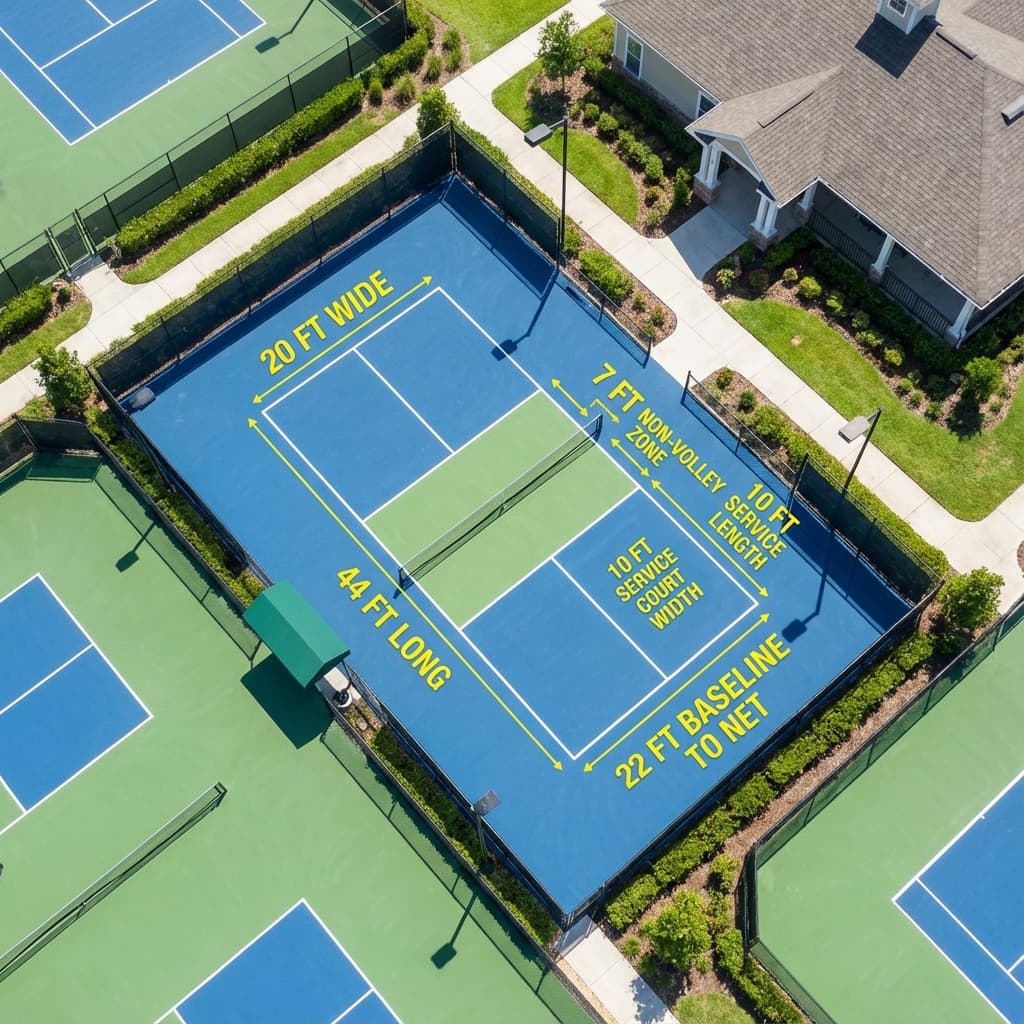
Pickleball Court Dimensions: The Complete Breakdown
Every measurement you need to know—from the kitchen zone to the baseline. Perfect for building your own court or understanding the game better.
Read →
What is Pickleball? The Definitive Beginner's Guide (2026)
The comprehensive guide to the world's fastest-growing sport. History, rules, costs, culture, and exactly how to get started today.
Read →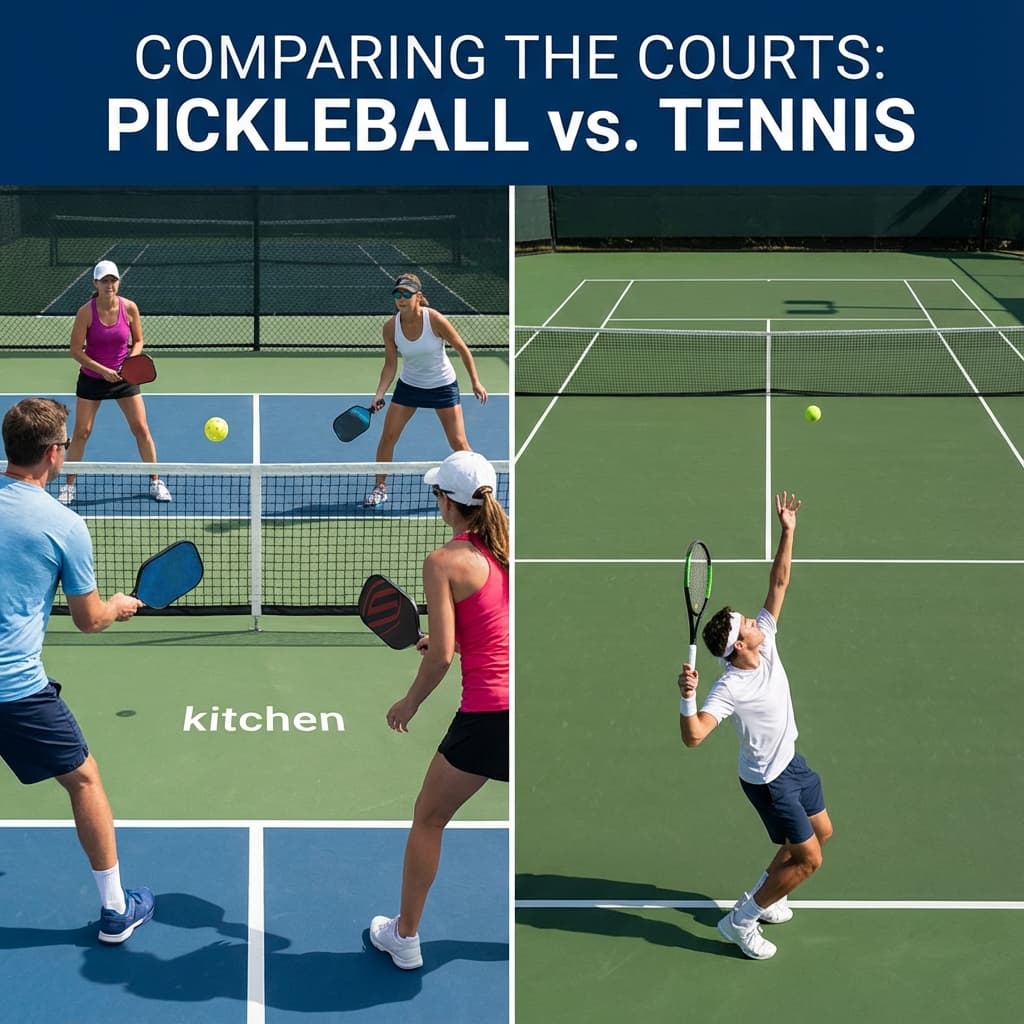
Pickleball vs. Tennis: A Data-Driven Comparison (2026)
It is the rivalry of the decade. We break down the differences in biomechanics, strategy, cost, and injury risk. Which one is right for you?
Read →